
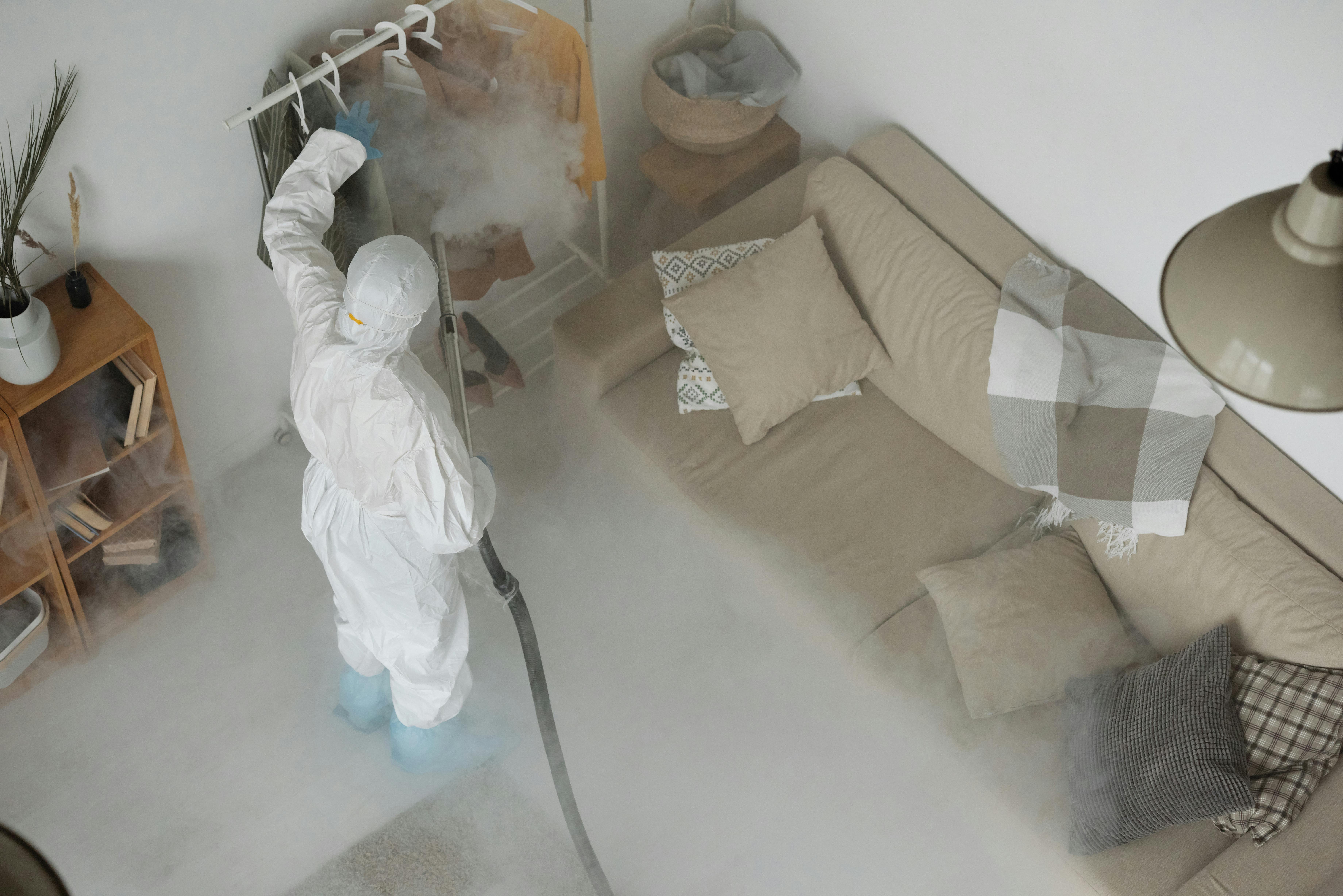
Wood borers are insidious pests that can cause significant damage to wooden structures if left untreated. These beetles lay their eggs in wood, and their larvae tunnel through the material, compromising its integrity. Understanding and addressing wood borer infestations is crucial for preserving the longevity and strength of wooden structures. Trusted wood borer treatment methods play a vital role in maintaining the health of both residential and commercial properties. With the right strategies, wood preservation becomes a seamless process, ensuring durability and safety for years to come.
Understanding Wood Borer Infestations
Recognizing the signs of a wood borer infestation is the first step in addressing the problem. Common indicators include:
- Small round holes in the wood surface.
- Fine wood dust or frass near the holes.
- Weakened or crumbling wood.
- Visible larvae or adult beetles.
Identifying the presence of wood borers early can prevent extensive damage. For more detailed information on identifying these pests, discover expert strategies here.
Effective Wood Borer Treatment Methods
1. Chemical Treatments
Chemical treatments are often employed to eliminate wood borers. These involve the application of insecticides that penetrate the wood and target the larvae. Key considerations for chemical treatments include:
- Selecting appropriate insecticides that are effective against the specific type of borer.
- Ensuring proper application techniques to maximize penetration and coverage.
- Adhering to safety guidelines to protect humans and pets from exposure.
For more insights into chemical treatment options, learn about our tailored solutions.
2. Heat Treatment
Heat treatment is a non-chemical method that involves raising the temperature of the wood to a level that is lethal to borers. This process requires specialized equipment and expertise. Benefits of heat treatment include:
- No chemical residues left in the environment.
- Effectiveness in reaching deep-seated larvae.
- Compatibility with a wide range of wooden structures.
To understand more about the advantages of heat treatment, explore advanced guides and tips.
3. Preventative Measures
Prevention is always better than cure. Implementing preventative measures can significantly reduce the risk of wood borer infestations. These measures include:
- Using treated wood that is resistant to borers.
- Maintaining low humidity levels in areas with wooden structures.
- Regular inspections to catch any early signs of infestation.
For comprehensive prevention strategies, find out more about this approach.
Importance of Professional Intervention
While some treatments can be applied by homeowners, professional intervention is often necessary for severe infestations. Professionals have access to more potent treatments and possess the expertise to apply them effectively. They can also provide guidance on long-term wood preservation strategies. Engaging professionals ensures that the infestation is entirely eradicated and helps prevent future occurrences.
For expert guidance and professional assistance, explore advanced guides and tips.
Conclusion
Addressing wood borer infestations promptly is essential to preserve the structural integrity of wood. By understanding the signs of infestation, choosing the right treatment methods, and implementing preventative measures, significant damage can be avoided. Professional intervention adds an extra layer of assurance, ensuring that treatments are applied effectively. For those seeking reliable wood borer treatment solutions, numerous resources are available to guide them in maintaining the health and longevity of their wooden structures.