
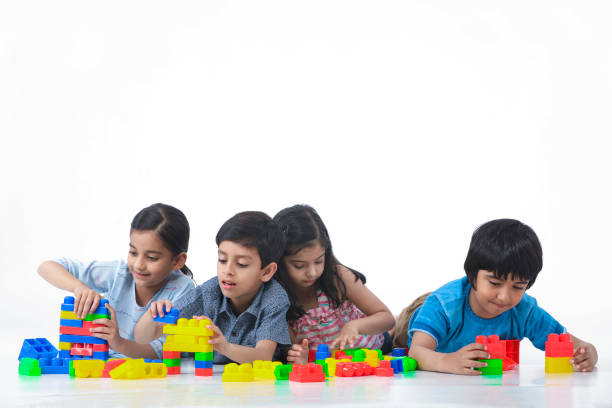
Creating a positive environment in early learning centres is essential for fostering the holistic development of young children. This environment not only nurtures their cognitive growth but also supports their emotional, social, and physical development. In the formative years, a supportive setting can significantly impact a child’s lifelong learning journey. By implementing strategic approaches, early learning centres can create spaces where children feel safe, motivated, and engaged. This article delves into effective strategies and considerations for creating such an environment.
Understanding the Importance of a Positive Learning Environment
A positive learning environment is critical in nurturing the well-being and development of children. It is characterized by:
- Safe and secure surroundings where children feel protected.
- An inclusive atmosphere that respects diversity and encourages participation.
- A stimulating setting that promotes curiosity and exploration.
- Supportive relationships between educators and children.
To further understand the significance of these elements, discover expert strategies here.
Key Components of a Positive Early Learning Environment
Physical Environment
The physical setup of an early learning centre plays a crucial role in shaping children’s experiences. Here are some essential components:
- Well-organized and clutter-free spaces to enhance focus and engagement.
- Child-friendly furniture and materials accessible to all children.
- Designated areas for different activities like reading, art, and play.
- Natural lighting and ventilation to create a comfortable atmosphere.
For more insights into optimizing physical spaces, learn about our tailored solutions.
Emotional and Social Support
Emotional and social well-being is vital for young learners. Educators can foster this through:
- Building trusting relationships with each child.
- Encouraging cooperative play and peer interactions.
- Implementing emotional literacy programs to help children express themselves.
- Providing consistent routines to promote a sense of security.
Explore advanced guides and tips on promoting emotional well-being here.
Curriculum and Learning Activities
A well-rounded curriculum that aligns with children’s interests and developmental stages can enhance learning outcomes. Key considerations include:
- Incorporating play-based learning to stimulate creativity and problem-solving skills.
- Offering a variety of hands-on activities to cater to different learning styles.
- Integrating technology thoughtfully to enhance learning experiences.
- Regularly assessing and adapting activities to meet children’s evolving needs.
To find out more about this approach, click here.
Benefits of a Positive Early Learning Environment
Creating a positive environment in early learning centres not only supports children’s immediate educational needs but also lays the foundation for lifelong success. The benefits include:
- Improved academic performance and love for learning.
- Enhanced social skills and emotional resilience.
- Greater confidence and self-esteem in children.
- Stronger family engagement and community connections.
By prioritizing these elements, early learning centres can significantly impact the lives of young learners. For further information on implementing these strategies, explore our resources.