
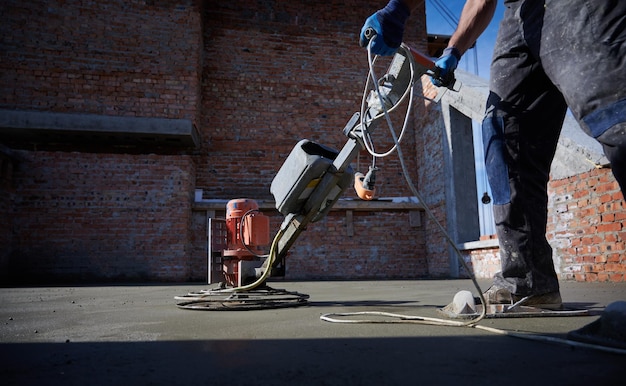
When a commercial development demands durable, long-lasting flooring, the choice of concrete contractor can determine the success of the entire project. From large warehouses and retail centers to office complexes and industrial facilities, selecting a contractor with the right blend of technical expertise, safety compliance, and project-management skill is essential. This guide outlines the key factors to evaluate, the questions to ask, and the processes that help ensure you partner with the best concrete professionals in your area.
Why Choosing the Right Concrete Contractor Matters
Commercial concrete work differs significantly from residential projects. The scale, load requirements, and regulatory standards are far more demanding. A qualified contractor brings:
- Deep knowledge of high-strength mix designs and admixtures.
- Experience with large-format pours, post-tensioning, and specialized finishing techniques.
- Robust safety programs that protect workers and minimize site disruptions.
- Project-management tools that keep timelines and budgets on track.
Failing to vet a contractor thoroughly can lead to costly repairs, schedule delays, and even structural failures. Therefore, investing time in the selection process is a strategic move for any commercial developer.
Key Criteria for Evaluating Contractors
1. Proven Experience with Commercial Projects
Look for a portfolio that includes projects similar in size and complexity to yours. Review case studies, photos, and client testimonials. Companies that specialize in commercial work often showcase their expertise on their websites. Discover expert strategies here.
2. Certifications and Licenses
Verify that the contractor holds all required state and local licenses, as well as industry certifications such as ACI (American Concrete Institute) or OSHA safety accreditation. These credentials signal a commitment to quality and safety standards.
3. Financial Stability
A financially stable contractor can absorb unexpected costs without compromising the project. Request proof of bonding capacity and inquire about their insurance coverage for liability and workers’ compensation.
4. Technical Capabilities
Modern commercial concrete requires sophisticated equipment and advanced mix design software. Ensure the contractor uses calibrated batching plants, laser-guided screeds, and quality-control labs for slump, temperature, and compressive strength testing.
5. Safety Record
Ask for the contractor’s OSHA incident rate and safety program details. A strong safety culture reduces the risk of accidents that could halt construction and increase liability.
Steps to Vet Potential Contractors
- Gather References: Contact previous clients to discuss project outcomes, communication quality, and any post-completion issues.
- Review Submittals: Examine sample submittals for mix designs, quality-control plans, and construction schedules.
- Conduct Site Visits: Observe ongoing projects to assess workmanship, site organization, and adherence to safety protocols.
- Request Detailed Proposals: Compare cost breakdowns, timelines, and warranty terms across multiple bidders.
- Check Legal History: Search for any past litigation or liens that could indicate performance problems.
Questions to Ask During the Interview
- What is your approach to managing large-scale pours and preventing cold joints?
- How do you ensure consistent mix quality across multiple deliveries?
- Can you provide a sample project schedule that includes milestones for curing and testing?
- What warranty do you offer on structural integrity and surface finish?
- How do you coordinate with other trades to avoid conflicts on the job site?
Understanding Pricing Structures
Commercial concrete pricing can be presented in several ways:
- Per-cubic-yard rates: Useful for straightforward slab pours.
- Unit price per square foot: Often applied when finish work (e.g., polishing, stamping) is included.
- Fixed-price contracts: Provide cost certainty but require detailed scope definition.
When evaluating bids, consider not only the base price but also potential add-ons such as reinforcement, expansion joints, and moisture-control membranes. Transparent cost breakdowns help avoid surprise charges later in the project.
Leveraging Industry Resources
Many reputable contractors share valuable insights through guides, webinars, and technical articles. Accessing these resources can help you stay informed about best practices and emerging technologies. Learn about our tailored solutions.
Final Checklist Before Signing a Contract
- All required licenses and certifications are verified.
- Insurance certificates meet or exceed project requirements.
- Clear, itemized proposal with defined milestones.
- Documented safety plan and emergency procedures.
- Warranty terms and post-completion support outlined.
Conclusion
Choosing the best concrete contractor for commercial projects is a multi-step process that blends due diligence, technical assessment, and strategic negotiation. By focusing on experience, certifications, financial health, and safety performance, developers can mitigate risk and ensure that the finished concrete meets the rigorous demands of commercial use. For those seeking additional guidance, industry-focused websites provide a wealth of information to support informed decision-making. Explore advanced guides and tips.