
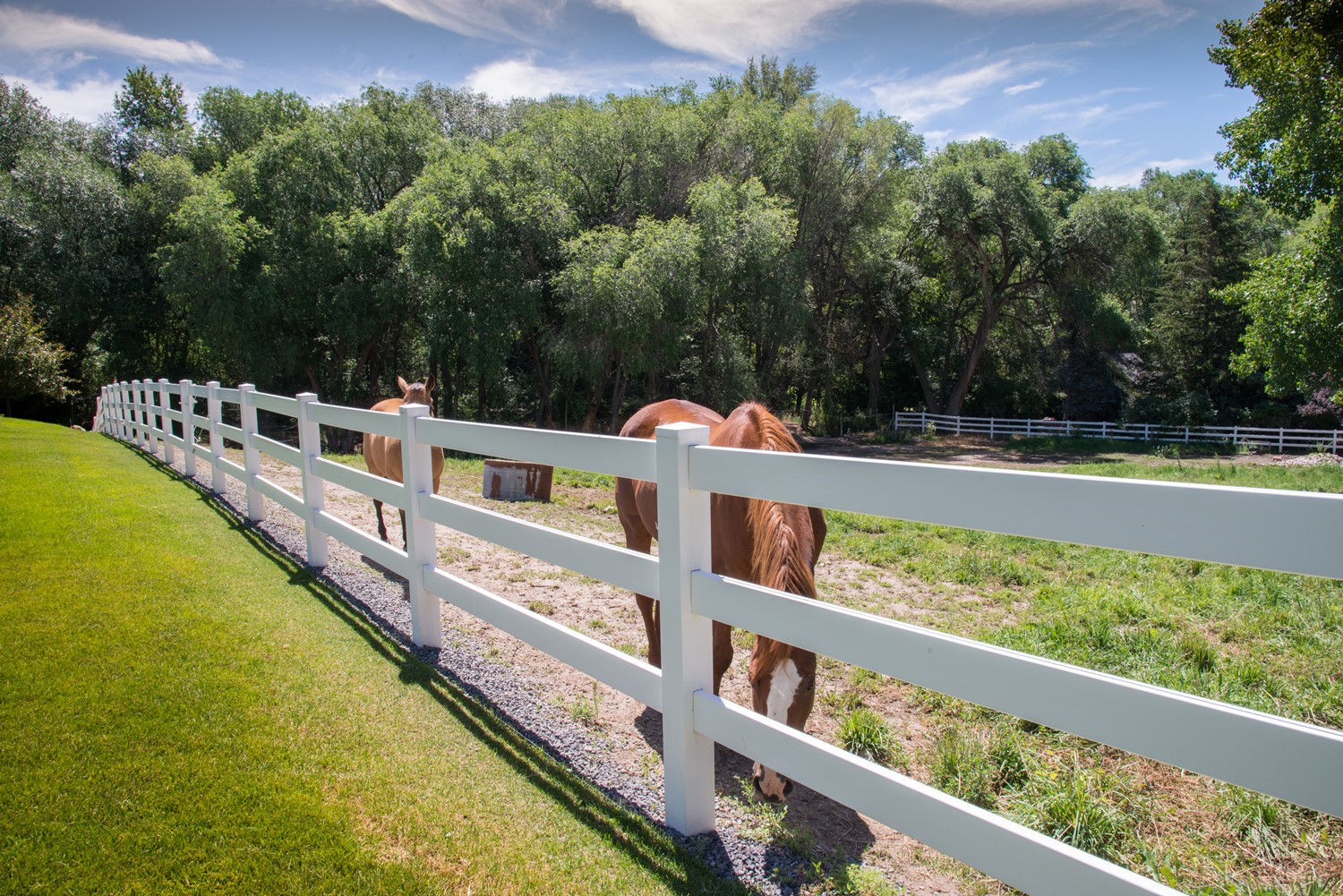
Vinyl fencing has evolved far beyond the plain, utilitarian barriers of the past. Modern manufacturing techniques and design flexibility now allow homeowners and landscape designers to create custom vinyl fences that complement any outdoor aesthetic, from sleek contemporary gardens to rustic countryside retreats. By selecting the right style, height, color, and decorative accents, a vinyl fence can become an integral part of a landscape plan, providing privacy, security, and visual harmony without the maintenance demands of wood or metal. The following guide explores the most effective design strategies for tailoring vinyl fencing to a wide range of landscape preferences.
Understanding Landscape Themes and Vinyl Compatibility
Before diving into specific fence designs, it is essential to identify the overarching theme of the outdoor space. Each landscape style has distinct visual cues that influence fence selection.
Contemporary and Minimalist Gardens
- Clean Lines: Opt for straight-post, panel-less designs or narrow picket styles that emphasize geometry.
- Neutral Palettes: Choose matte white, charcoal, or muted gray finishes to blend with modern materials such as concrete and steel.
- Integrated Lighting: Incorporate built-in LED strips or post-mounted fixtures for a subtle, high-tech feel.
Traditional and Cottage Settings
- Ornamental Details: Look for vinyl fences with decorative lattice, scalloped tops, or classic “picket” profiles.
- Warm Tones: Soft beige, sand, or light brown hues echo natural wood without the susceptibility to rot.
- Plant Integration: Design fence sections that accommodate climbing roses, clematis, or ivy for a lived-in appearance.
Rural and Naturalistic Landscapes
- Textured Surfaces: Choose vinyl that mimics wood grain or stone for a rustic feel.
- Earthy Colors: Greens, deep browns, and muted reds help the fence recede into the surrounding terrain.
- Height Flexibility: Taller panels provide privacy for livestock or garden beds while maintaining a natural silhouette.
For a deeper dive into matching fence aesthetics with landscape styles, Read more about this topic.
Key Design Elements for Custom Vinyl Fencing
Panel Styles and Configurations
Vinyl panels come in a variety of configurations that can be mixed and matched to achieve a custom look.
- Full-Height Panels: Ideal for privacy and noise reduction; available in smooth or textured finishes.
- Partial-Height Panels: Provide visual continuity while allowing sightlines; perfect for decorative borders.
- Shadow Box and Alternating Boards: Create a semi-transparent effect that softens the fence’s presence.
Post and Rail Options
The structural components of a vinyl fence contribute both to durability and style.
- Square vs. Round Posts: Square posts convey a modern vibe; round posts echo traditional craftsmanship.
- Decorative Caps: Caps with beveled edges or ornamental motifs add a finishing touch.
- Material Thickness: Thicker walls increase strength and reduce warping over time.
Color and Finish Choices
Unlike wood, vinyl retains its color without frequent repainting. Selecting the right hue is crucial for visual cohesion.
- Solid Colors: Provide a uniform appearance that can either blend or contrast with surrounding elements.
- Two-Tone Options: Combine a primary color with a subtle accent for depth.
- UV-Resistant Coatings: Ensure long-term color stability, especially in sunny climates.
To explore the full range of vinyl finishes and how they interact with different environments, Learn more in this detailed guide.
Integrating Functional Features
Security Enhancements
- Reinforced Panels: Thicker cores and internal steel reinforcements deter forced entry.
- Lockable Gates: Choose self-closing, latch-secure gates that match the fence style.
- Visibility Options: Incorporate small slats or decorative cutouts that maintain privacy while allowing a line of sight for safety.
Maintenance-Free Benefits
One of vinyl’s strongest selling points is its low upkeep. Proper installation and design can further reduce long-term effort.
- Drainage Design: Slightly sloped panels prevent water pooling, extending fence life.
- Cleaning Access: Smooth surfaces allow quick washing with a garden hose and mild detergent.
- Resistant Accessories: Choose hardware made from stainless steel or coated aluminum to avoid rust.
For practical advice on installing and caring for vinyl fences, Explore further insights here.
Designing for Specific Landscape Features
Waterfront and Pool Areas
- Non-Corrosive Materials: Vinyl’s resistance to moisture makes it ideal near pools and ponds.
- Safety Considerations: Rounded edges and low-profile designs reduce injury risk.
- Reflective Finishes: Light colors can help brighten the surrounding space.
Hilly or Sloped Terrains
- Step-Back Installation: Position posts on level footing while allowing panels to follow the natural slope.
- Terraced Panels: Use shorter sections on steeper inclines to maintain visual consistency.
- Anchoring Systems: Secure posts with concrete footings or ground spikes for stability.
Urban Gardens and Small Yards
- Space-Saving Designs: Narrow picket or lattice panels create a sense of openness.
- Vertical Gardening: Incorporate built-in trellis sections for herbs, vegetables, or decorative vines.
- Multi-Functional Gates: Use gate panels that double as storage or seating.
To see examples of how vinyl fencing adapts to diverse site conditions, Find additional information here.
Conclusion
Custom vinyl fencing offers a versatile, durable, and aesthetically flexible solution for any landscape preference. By aligning fence style with the overarching garden theme, selecting appropriate panel configurations, and incorporating functional features such as security hardware and moisture-resistant finishes, homeowners can achieve a cohesive outdoor environment that requires minimal maintenance. Whether the goal is a sleek modern enclosure, a charming cottage border, or a rugged rural barrier, vinyl’s adaptability makes it a compelling choice for long-term landscape harmony.