
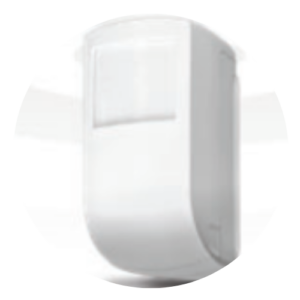
The advancement of technology in elderly care has brought forth innovative solutions to enhance the quality of life for seniors. Monitoring services have become an integral part of elderly care, providing peace of mind to families and caregivers while ensuring the safety and wellbeing of older adults. These technologies aim to address the unique challenges faced by the elderly, including fall detection, activity monitoring, and health management. Through the use of intelligent systems, caregivers can now provide more personalized and efficient care, ultimately improving the overall wellbeing of seniors. This article explores the various facets of wellbeing monitoring services and their impact on elderly care.
Understanding Wellbeing Monitoring Services
Wellbeing monitoring services encompass a range of technologies designed to track and manage the health and safety of elderly individuals. These services utilize a combination of sensors, data analytics, and communication tools to provide real-time information about a senior’s physical and mental status.
- Real-time health data collection and analysis
- Fall detection and emergency response systems
- Remote monitoring and telehealth capabilities
- Personalized alerts and notifications
By leveraging these technologies, caregivers can receive timely alerts and insights, enabling them to respond more effectively to the needs of the elderly. Discover expert strategies here.
Benefits of Wellbeing Monitoring in Elderly Care
The implementation of wellbeing monitoring services offers numerous benefits, significantly enhancing the quality of care provided to seniors. Some of the key advantages include:
Enhanced Safety and Security
With advanced fall detection systems and emergency response capabilities, seniors can feel secure knowing that help is readily available in case of an accident. This not only reduces the risk of injury but also provides families with peace of mind. Learn about our tailored solutions.
Improved Health Management
Continuous monitoring of vital signs and activity levels allows for early detection of potential health issues. This proactive approach facilitates timely intervention, which can significantly improve health outcomes for seniors. Find out more about this approach.
Increased Independence
By providing seniors with the tools needed to manage their health independently, wellbeing monitoring services empower them to maintain their autonomy. This can lead to improved mental well-being and a higher quality of life. Explore advanced guides and tips.
Future Trends in Elderly Care Technology
The field of elderly care technology is rapidly evolving, with new innovations continually emerging. Future trends are likely to include:
- Integration of artificial intelligence to enhance data analysis and decision-making
- Development of more sophisticated wearable devices with advanced monitoring capabilities
- Increased focus on personalized care solutions tailored to individual needs
- Expansion of telehealth services to provide remote consultations and support
As these technologies continue to advance, the potential for enhancing elderly care will only grow, offering exciting opportunities to improve the lives of seniors worldwide. Learn about our tailored solutions.
Conclusion
Wellbeing monitoring services represent a transformative approach to elderly care, combining technology and healthcare in innovative ways to address the unique challenges faced by seniors. By continuing to explore and implement these solutions, the elderly care sector can ensure that older adults receive the highest standard of care, allowing them to age with dignity and independence. To delve deeper into how these technologies can be integrated into existing care strategies, discover expert strategies here.