
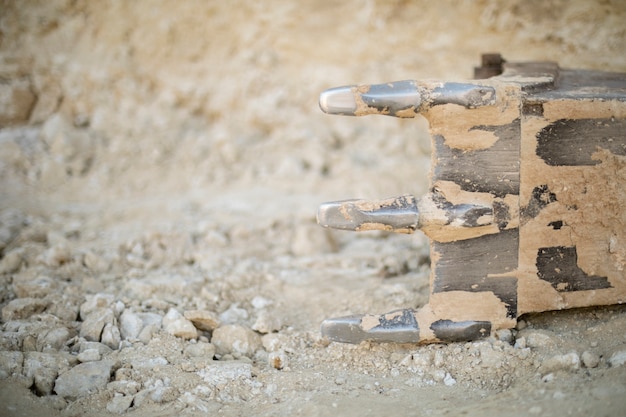
Foundation underpinning is a critical process for ensuring the structural integrity and longevity of buildings. This method is utilized to strengthen the foundation of a structure, which may have been weakened by various factors such as soil conditions, environmental changes, or the construction of nearby buildings. Understanding the intricacies of the foundation underpinning process is essential for property owners, builders, and engineers to make informed decisions about maintaining and enhancing the stability of their structures.
What is Foundation Underpinning?
Foundation underpinning is a technique used to reinforce or deepen an existing foundation. It involves altering the foundation base to carry additional loads or to correct existing foundation issues. Underpinning can be necessary due to:
- Changes in soil properties, such as subsidence or instability.
- Increased loads from additional construction or modifications.
- Natural disasters like earthquakes or floods.
- Poorly designed or executed initial foundation work.
For a deeper understanding of how underpinning can be tailored to specific needs, learn about our tailored solutions.
Types of Foundation Underpinning Methods
1. Mass Concrete Underpinning
This traditional method involves extending the existing foundation by excavating sections below and filling them with concrete. It is suitable for shallow foundations and provides robust support.
2. Beam and Base Method
The beam and base method involves constructing a reinforced concrete beam below or above the existing foundation. This beam distributes the building’s load to a new, more stable base. Find out more about this approach.
3. Mini-Piled Underpinning
Mini-piling is ideal for situations with variable ground conditions or restricted access. It involves driving small-diameter piles into the ground to transfer the load of the structure to a more stable layer. This method is versatile and can be used in tight spaces.
4. Pile and Beam Underpinning
This modern technique combines piles and beams to support the existing foundation. It is particularly effective for deep foundations where traditional methods are not feasible. Explore advanced guides and tips.
Benefits of Foundation Underpinning
Underpinning offers numerous advantages for property owners, including:
- Increased structural stability and safety.
- Prevention of future settlement and cracking.
- Enhanced property value and lifespan.
- Adaptability to environmental changes and increased loads.
Discover expert strategies here for maximizing these benefits.
Signs Your Building May Need Underpinning
Recognizing early signs of foundation issues can save significant time and resources. Look out for:
- Cracks in walls, floors, or ceilings.
- Doors and windows that stick or do not close properly.
- Uneven or sloping floors.
- Gaps around window frames or exterior doors.
For more insights, explore advanced guides and tips.
Customer Experiences
The effectiveness and reliability of foundation underpinning services can be gauged by customer feedback. See what others are saying about us and explore customer reviews here to ensure informed decision-making.
Foundation underpinning is an invaluable solution for maintaining the integrity and safety of buildings. By understanding the available methods and recognizing the signs of foundation issues, property owners and builders can proactively address potential problems. For comprehensive guidance and tailored solutions, learn about our tailored solutions.