
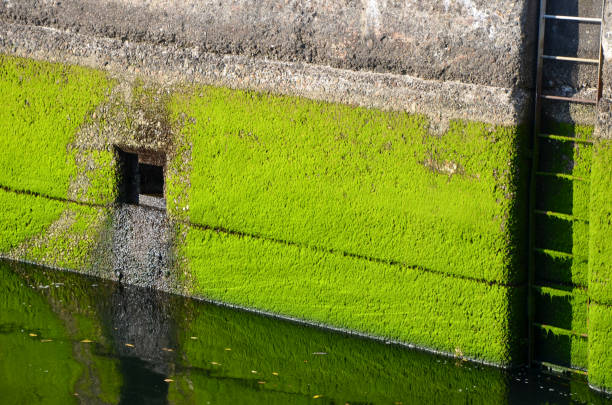
Concrete surfaces are a popular choice for both residential and commercial properties due to their durability and aesthetic appeal. However, they are not immune to the challenges posed by environmental factors, one of which is algae growth. Algae not only detracts from the visual appeal of concrete surfaces but can also make them slippery and hazardous. This guide offers comprehensive insights into effectively removing algae from concrete surfaces, ensuring they remain clean, safe, and visually pleasing.
Understanding Algae Growth on Concrete Surfaces
Algae thrive in damp, shaded areas where sunlight is limited. Concrete surfaces, especially those in humid climates, can become prime locations for algae to flourish. This growth can occur on driveways, patios, sidewalks, and walls, often appearing as green, black, or brown patches.
Why It’s Important to Remove Algae
- Safety: Algae can create slippery surfaces, increasing the risk of falls and injuries.
- Appearance: Algae-covered concrete looks unsightly and can detract from the overall aesthetics of a property.
- Structural Integrity: While algae itself does not damage concrete, continuous moisture retention can lead to structural issues over time.
Effective Methods to Remove Algae from Concrete
The process of removing algae involves both preventive and active measures. Here are some effective methods:
1. Regular Cleaning
Routine cleaning is an effective preventive measure. Sweeping and washing concrete surfaces regularly can help prevent the buildup of algae.
2. Using an Algae Remover
Chemical algae removers can effectively eliminate algae from concrete surfaces. These products are specially formulated to penetrate and kill algae at the roots, ensuring long-lasting results. Always follow the manufacturer’s instructions for the best outcome.
3. Pressure Washing
Pressure washing is a powerful method to remove algae physically. It is crucial to use the correct pressure settings to avoid damaging the concrete. For stubborn algae stains, combine pressure washing with a suitable algae killer for optimal results.
4. Natural Remedies
For those who prefer eco-friendly methods, vinegar and baking soda can be effective natural solutions. Apply a mixture of vinegar and water or baking soda paste to the affected area. Let it sit for a while before scrubbing and rinsing off.
Preventive Measures to Keep Algae at Bay
1. Improve Drainage
Proper drainage ensures that water does not accumulate on concrete surfaces, reducing the chances of algae growth. Consider installing drainage systems if necessary.
2. Increase Sunlight Exposure
Trimming back trees and bushes can help increase sunlight exposure to concrete areas, creating an unfavorable environment for algae.
3. Regular Application of Algae Preventatives
Applying a preventative remove algae from concrete solution periodically can help deter algae growth. Ensure the product is suitable for the specific concrete surface in question.
Conclusion
Algae on concrete surfaces is more than just an aesthetic issue; it can also pose safety hazards and affect the structural integrity of the material over time. By understanding the causes of algae growth and implementing effective removal and preventive measures, property owners can maintain clean, safe, and attractive concrete surfaces. Whether opting for commercial solutions or natural remedies, consistent maintenance is key to preventing algae from taking hold.