
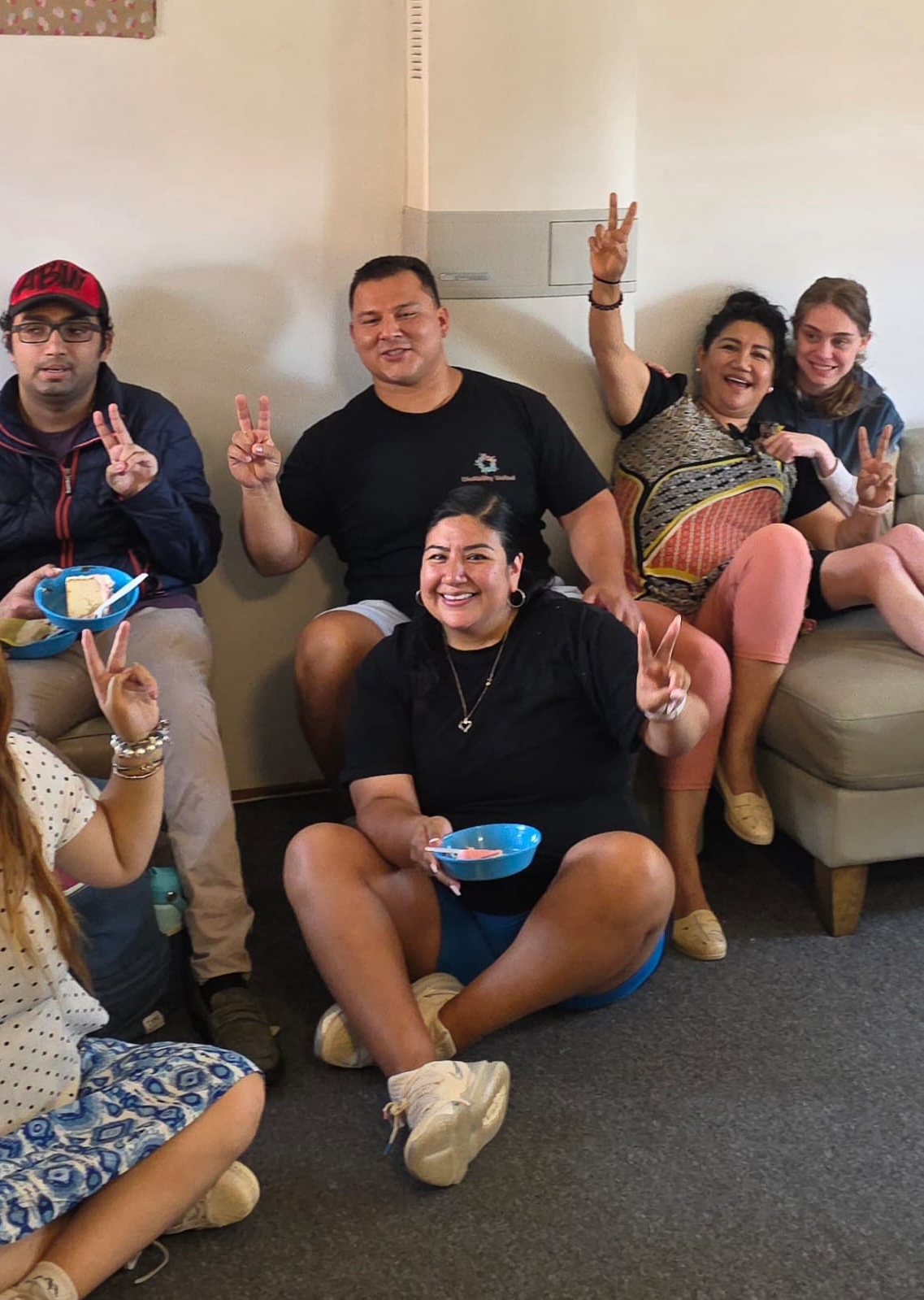
Independence is a crucial aspect of personal development and quality of life, particularly for individuals participating in National Disability Insurance Scheme (NDIS) day programs. These programs are designed to enhance the life skills of individuals, promoting self-reliance and autonomy. By focusing on personalized care plans and skill-building activities, participants can achieve greater independence and improve their daily living experiences. This article explores effective strategies within NDIS day programs that support and maximize independence for individuals with disabilities.
Understanding the Importance of Independence
Independence is more than just the ability to perform daily tasks; it encompasses the freedom to make choices and control one?s own life. Encouraging independence in NDIS day programs is integral to the personal growth and confidence of participants. This empowerment leads to:
- Improved self-esteem and confidence
- Enhanced decision-making skills
- Higher levels of participation in community activities
To learn more about how independence is fostered in these programs, discover expert strategies here.
Tailored Programs and Activities
NDIS day programs provide a variety of activities tailored to meet the unique needs and preferences of each participant. These activities are designed to build and strengthen essential life skills. Key components include:
Skill Development Workshops
Workshops focused on developing skills such as cooking, budgeting, and personal care are fundamental. These workshops aim to:
- Teach practical and applicable life skills
- Support the transition to independent living
- Encourage social interactions and teamwork
Participants can explore advanced guides and tips on selecting the right workshops.
Personalized Support and Care Plans
Each participant in an NDIS day program benefits from a personalized care plan that addresses their specific goals and challenges. These plans are crucial for:
- Ensuring that individual needs are met
- Providing structured support and guidance
- Tracking progress and adjusting interventions as needed
For more on how personalized plans are crafted, find out more about this approach.
Community Engagement and Participation
Community involvement is a pivotal aspect of promoting independence within NDIS day programs. By engaging with the community, participants can:
- Gain confidence in social settings
- Develop a sense of belonging
- Access additional resources and support networks
The benefits of community engagement are vast, and participants can learn about our tailored solutions for effective community integration.
Continuous Evaluation and Feedback
Continuous evaluation and feedback are crucial for the success of NDIS day programs. Regular assessments help in:
- Identifying areas for improvement
- Ensuring that goals are being met
- Adapting programs to better suit participant needs
These evaluations are vital to maintaining the quality and effectiveness of the services provided. Explore advanced guides and tips on program assessment.
In conclusion, maximizing independence within NDIS day programs requires a comprehensive approach involving personalized care, skill development, community engagement, and continuous evaluation. By focusing on these areas, participants can achieve greater autonomy and improve their quality of life. For more information on how these strategies are implemented, discover expert strategies here.