
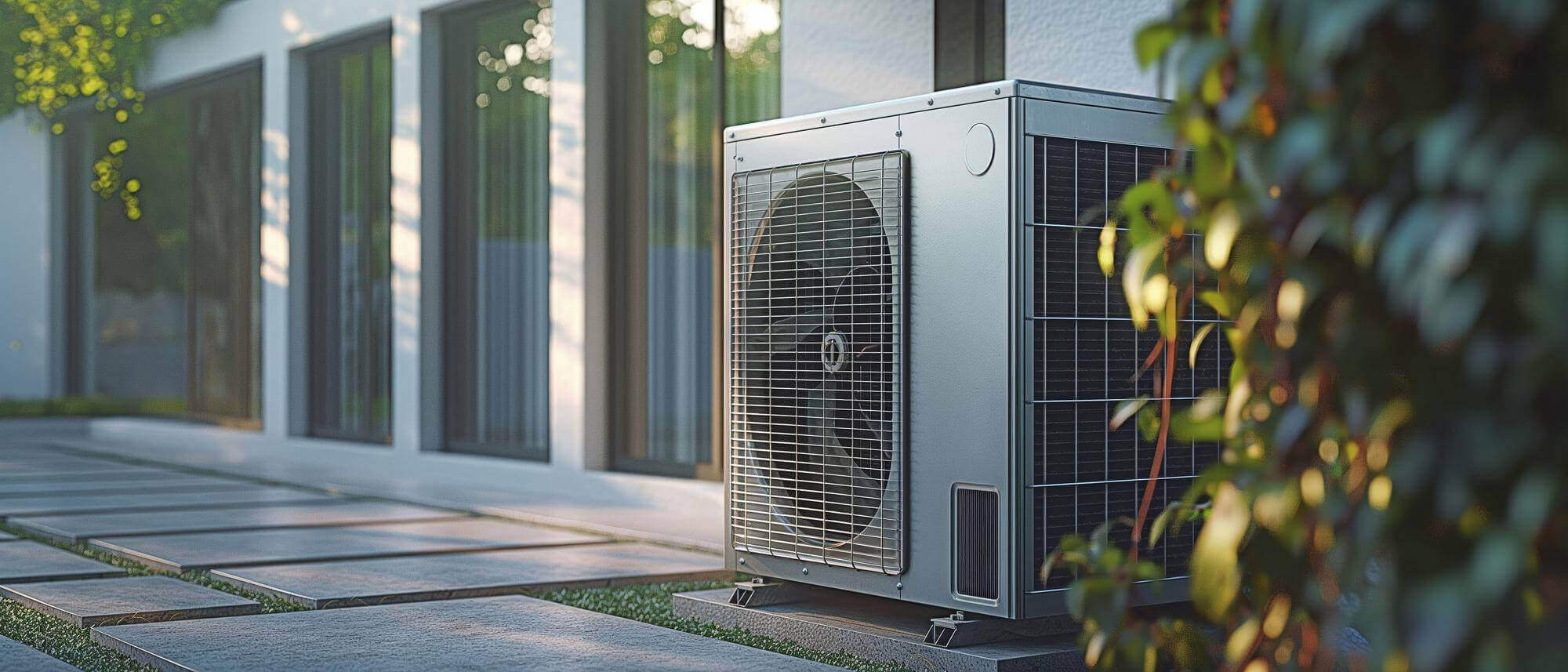
Mitsubishi ductless heat pump systems have become a popular choice for efficient home heating and cooling, providing an alternative to traditional HVAC systems. These systems are known for their ability to enhance indoor comfort while being energy-efficient and versatile. With an increasing demand for sustainable and cost-effective climate control solutions, understanding the features and benefits of Mitsubishi ductless heat pumps is essential for homeowners and businesses alike. This comprehensive guide explores the key aspects of these innovative systems, including their operation, installation, and advantages.
Understanding Mitsubishi Ductless Heat Pumps
A ductless heat pump operates by transferring heat rather than generating it, making it a highly efficient option for both heating and cooling. Mitsubishi’s models are particularly renowned for their reliability and performance. Here are some of the core components and functionalities:
- Indoor and Outdoor Units: Comprising an indoor air-handling unit and an outdoor compressor unit, these systems are interconnected by a conduit housing the power cable, refrigerant tubing, and a condensate drain.
- Inverter Technology: The variable-speed compressor adjusts to maintain consistent temperatures, enhancing energy efficiency and comfort.
- Remote Control and Smart Features: Many models offer remote operation and smart home integration, allowing users to control their settings from anywhere.
Benefits of Choosing Mitsubishi Ductless Heat Pumps
The advantages of installing a ductless mini split heat pump are numerous, particularly for those seeking energy efficiency and flexibility in home climate control. Here are some of the benefits:
- Energy Efficiency: By transferring rather than generating heat, these systems use less electricity, leading to lower energy bills.
- Flexibility: Ideal for heating or cooling individual rooms or zones, allowing for customized comfort settings.
- Easy Installation: The ductless heat pump installation process is typically less invasive than traditional systems, reducing installation time and costs.
- Improved Air Quality: Advanced filtration systems help improve indoor air quality by reducing dust, allergens, and other pollutants.
Cost Considerations
While the initial cost of a mitsubishi ductless heat pump can be higher than traditional systems, the long-term savings on energy bills and maintenance often justify the investment. Additionally, government incentives and rebates for energy-efficient appliances can further offset the upfront costs.
Installation Process
The installation of a Mitsubishi ductless heat pump unit is a streamlined process that can be completed with minimal disruption to the property. Here”?s what to expect:
- Assessment: A professional evaluation of the space is conducted to determine the optimal placement of indoor and outdoor units.
- Installation: The installation itself involves mounting the units and connecting the conduit, a process that typically takes less than a day.
- Testing: Once installed, the system is tested to ensure efficient operation and to make any necessary adjustments.
For those considering a switch to a more efficient heating and cooling system, the ductless heating installation process offers a quick and effective way to enhance home comfort.
Conclusion
Mitsubishi ductless heat pumps offer a blend of efficiency, comfort, and convenience, making them an attractive option for many homeowners and businesses. As energy costs continue to rise, investing in a system that provides reliable climate control while reducing energy consumption is a prudent choice. By understanding the features, benefits, and installation process, individuals can make informed decisions about incorporating this technology into their properties. For more detailed information on these systems, visiting resources on ductless heat pumps can provide further insights.