
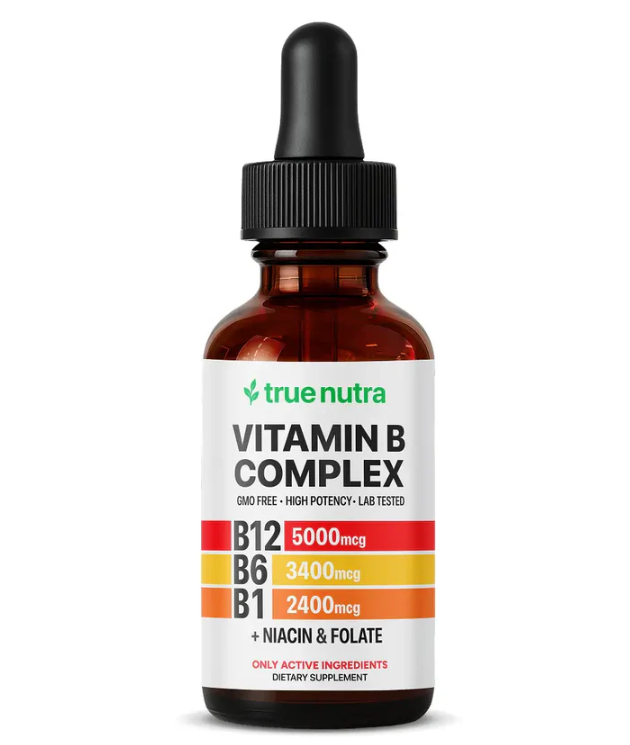
The immune system is a sophisticated network of cells, tissues, and organs that work together to defend the body against pathogens. While genetics set the baseline, lifestyle choices, including nutrition, play a pivotal role in maintaining optimal immune resilience. Among the nutrients that influence immune health, the B-vitamin family stands out for its involvement in energy production, cellular repair, and the regulation of immune cells. Incorporating a high-quality Vitamin B Complex supplement can fill dietary gaps and provide the biochemical support needed for a robust defense system.
Understanding Vitamin B Complex
Vitamin B Complex refers to a group of eight water-soluble vitamins that perform distinct yet interconnected functions:
- B1 (Thiamine) – assists in carbohydrate metabolism and nerve function.
- B2 (Riboflavin) – essential for cellular energy production and antioxidant activity.
- B3 (Niacin) – supports DNA repair and circulatory health.
- B5 (Pantothenic Acid) – a key component of coenzyme A, vital for fatty-acid synthesis.
- B6 (Pyridoxine) – modulates amino-acid metabolism and cytokine production.
- B7 (Biotin) – important for gene regulation and skin health.
- B9 (Folate) – crucial for cell division and the synthesis of nucleic acids.
- B12 (Cobalamin) – indispensable for red-blood-cell formation and neurological integrity.
Because the body cannot store most B vitamins in large quantities, regular intake through diet or supplementation is necessary. The Vitamin B Complex liquid formulation offers a bioavailable option that bypasses some of the absorption challenges associated with tablets.
How B Vitamins Support Immune Function
Immune competence relies on rapid cellular responses, and B vitamins provide the energy and signaling molecules required for these processes. Key mechanisms include:
- Enhancement of white-blood-cell proliferation, especially lymphocytes that target infected cells.
- Regulation of cytokine production, ensuring balanced inflammation.
- Support for antibody synthesis, improving the body’s ability to neutralize pathogens.
- Maintenance of mucosal barriers in the gut and respiratory tract, the first line of defense against invading microbes.
Vitamin B6 and Cytokine Balance
Pyridoxine influences the conversion of tryptophan to serotonin and also modulates the release of interleukin-2 (IL-2) and interferon-??, cytokines that are critical for T-cell activation. Adequate B6 status helps prevent the over-production of pro-inflammatory cytokines that can lead to tissue damage.
Folate and DNA Synthesis
Folate is required for the synthesis of purines and thymidine, the building blocks of DNA. Rapidly dividing immune cells, such as neutrophils and B-cells, depend on sufficient folate to replicate their genetic material efficiently.
Choosing the Right Supplement Formulation
When selecting a Vitamin B Complex supplement, consider the following criteria to ensure optimal absorption and efficacy:
- Bioavailability: Liquid or sublingual forms often deliver higher plasma concentrations than standard tablets.
- Balanced Ratios: Look for products that provide the eight B vitamins in proportions that reflect natural dietary ratios.
- Absence of Antagonists: Excessive calcium, magnesium, or zinc can compete for absorption; a well-formulated complex minimizes such interactions.
- Purity: Choose supplements verified by third-party testing for contaminants and accurate labeling.
Dosage and Safety Considerations
While B vitamins are water-soluble and excess amounts are typically excreted, chronic megadoses can cause adverse effects. General adult recommendations are:
- B1 – 1.2″?mg (men), 1.1″?mg (women)
- B2 – 1.3″?mg (men), 1.1″?mg (women)
- B3 – 16″?mg (men), 14″?mg (women)
- B5 – 5″?mg
- B6 – 1.3-1.7″?mg (age-dependent)
- B7 – 30″???g
- B9 – 400″???g (600″???g during pregnancy)
- B12 – 2.4″???g
Individuals with specific health conditions, such as renal impairment or certain metabolic disorders, should consult a healthcare professional before initiating supplementation. Pregnant or lactating persons may require adjusted doses, particularly for folate and B12.
Integrating B Complex with a Holistic Immune Strategy
Vitamin B Complex works synergistically with other micronutrients and lifestyle habits. For a comprehensive approach:
- Combine B vitamins with vitamin”?C, vitamin”?D, and zinc to cover both innate and adaptive immunity.
- Prioritize a diet rich in whole grains, legumes, leafy greens, and lean proteins to naturally supply B vitamins.
- Maintain regular physical activity, adequate sleep (7-9″?hours), and stress-management techniques, all of which influence B-vitamin metabolism.
- Stay hydrated; water is essential for the transport and utilization of water-soluble vitamins.
By aligning supplementation with balanced nutrition and healthy habits, the immune system receives the multi-layered support needed to respond effectively to challenges.
Conclusion
The intricate relationship between B-vitamin status and immune competence underscores the value of a well-formulated Vitamin B Complex supplement. When incorporated thoughtfully, respecting dosage guidelines, selecting high-quality products, and pairing with a nutrient-dense diet, these vitamins can enhance cellular energy, promote proper immune signaling, and help maintain the body’s natural defenses. For those seeking a practical, evidence-backed method to bolster immunity, a reputable B-complex supplement such as the Vitamin B Complex liquid option offers a convenient and effective solution.