
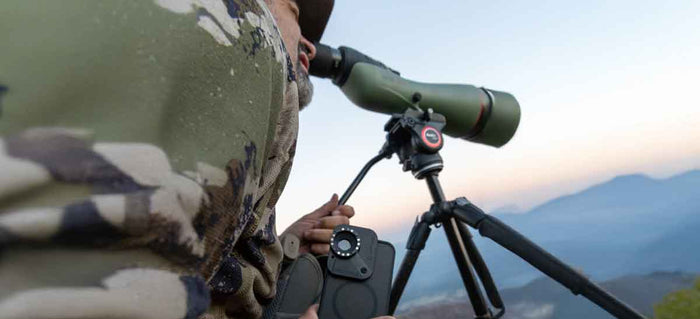
Digiscoping has become the go-to method for photographers who want to capture high-magnification wildlife images without the bulk of a dedicated camera lens. The core of a successful digiscoping setup is the adapter that connects a smartphone to a spotting scope. With new optical designs, tighter tolerances, and smarter materials arriving in 2024, choosing the right digiscoping adapter can be daunting. This guide breaks down the most important features, explains why they matter, and highlights what to expect from the market this year, helping you make an informed purchase that maximizes image quality and durability.
Understanding the Core Functions of a Digiscoping Adapter
A digiscoping adapter must accomplish three primary tasks:
- Secure attachment: It must lock the phone firmly to the eyepiece without slipping.
- Optical alignment: The camera lens needs to sit precisely over the eyepiece to avoid vignetting and maintain sharpness.
- Ease of use: Quick mounting and dismounting are essential for field work where time is limited.
When these basics are met, additional features become the differentiators that determine whether an adapter feels premium or merely functional.
Key Features to Evaluate in 2024
1. Mounting Mechanism
The mounting system is the first point of contact between your phone and the scope. Modern adapters offer several options:
- Clamp-style brackets: Adjustable jaws that grip the eyepiece. Look for rubberized pads that protect the coating.
- Magnetic bases: A Magnetic Digiscoping Adapter provides rapid attachment, especially useful when swapping phones between sessions.
- Slide-in rails: Common in high-end models, these rails lock the phone in place with a single lever.
For users who frequently change devices, magnetic solutions offer the best balance of speed and stability, while clamp-style adapters tend to be more universal across varying eyepiece diameters.
2. Compatibility and Universal Fit
Because spotting scopes come in a range of eyepiece sizes (typically 30 mm to 42 mm), a truly versatile adapter should either:
- Include interchangeable rings or sleeves, or
- Feature an adjustable width that can accommodate the most common diameters.
When searching for a phone adapter for spotting scope, verify that the product description lists the supported eyepiece range. Some adapters are marketed specifically for a single model, which can limit future upgrades.
3. Phone Compatibility
Smartphones vary widely in thickness, camera placement, and lens protrusion. The best adapters are designed with:
- Adjustable phone trays that slide to fit devices from slim iPhones to bulkier Android flagships.
- Cut-outs or removable inserts for phones with dual-camera arrays.
- Secure straps or silicone grips to keep the device from shifting during vibration.
For iPhone users, a dedicated iphone digiscoping solution can simplify alignment, but a well-engineered universal adapter will work equally well with digiscoping with smartphone devices.
4. Optical Alignment Tools
Precise alignment is critical to avoid “black circles” or loss of resolution. Modern adapters often include:
- Laser guides that project a faint line onto the eyepiece, indicating the optimal camera position.
- Built-in bubble levels for ensuring the phone is perfectly centered.
- Adjustable tilt mechanisms that let you fine-tune the camera angle without moving the entire mount.
These tools are especially valuable when digiscoping with iPhone users need to maintain a consistent framing across multiple shots.
5. Build Quality and Materials
Durability matters in field conditions. Look for adapters constructed from:
- Aircraft-grade aluminum or anodized aluminum for lightweight strength.
- High-impact polycarbonate or reinforced nylon for shock resistance.
- Rubberized or silicone contact points that protect both the eyepiece and phone.
Brands that advertise a best digiscoping adapter often back their claims with warranty periods of two years or more, indicating confidence in material selection.
6. Cable Management and Power Access
Many photographers use external battery packs or remote shutters. An adapter that incorporates:
- Integrated cable channels to route power cords neatly.
- Cutouts for headphone jacks or Bluetooth triggers.
helps keep the rig tidy and reduces the chance of cables snagging on the mount.
Additional Considerations for 2024 Buyers
Price vs. Performance
Entry-level adapters can start around $30, while premium magnetic or fully adjustable systems may exceed $120. The price gap usually reflects:
- Material quality (e.g., aluminum vs. plastic).
- Precision of the alignment system.
- Additional accessories such as lens caps, cleaning kits, or travel cases.
For casual users, a sturdy clamp with basic alignment is sufficient. Professionals seeking the Digiscoping Phone Adapter that delivers repeatable results will benefit from the higher-priced options.
Future-Proofing
Smartphone designs evolve quickly. An adapter that offers a wide adjustment range and replaceable pads will stay usable for several phone generations, reducing the need for frequent upgrades.
Customer Support and Community Resources
Brands that maintain an active user forum, tutorial videos, and responsive support can shorten the learning curve. Look for links to detailed setup guides such as spotting scope phone mount spotting tutorials that walk through the entire process from mounting to post-processing.
Putting It All Together: Choosing the Right Adapter for Your Needs
When evaluating a potential purchase, use the following checklist:
- Confirm the adapter’s eyepiece compatibility with your spotting scope.
- Verify phone thickness and camera placement support.
- Assess the mounting mechanism – magnetic vs. clamp – based on how often you’ll swap devices.
- Check for alignment aids (laser, level, tilt).
- Review material specifications and warranty terms.
- Consider any extra features you need, such as cable routing or remote shutter compatibility.
By systematically scoring each criterion, you can identify a model that balances cost, durability, and performance. Whether the goal is to capture crisp images of a distant raptor with an iphone digiscoping setup or to document a flock of geese using a rugged digiscoping adapter, the right adapter turns a simple spotting scope into a powerful imaging system.
Final Thoughts
The market for digiscoping adapters is maturing, and 2024 introduces smarter, more adaptable solutions that cater to both hobbyists and serious wildlife photographers. Prioritizing secure mounting, universal fit, precise alignment, and robust construction will ensure that your investment delivers sharp, repeatable images for years to come. As technology continues to advance, keeping an eye on emerging materials and magnetic attachment innovations will help maintain a cutting-edge setup without the need for frequent replacements.