
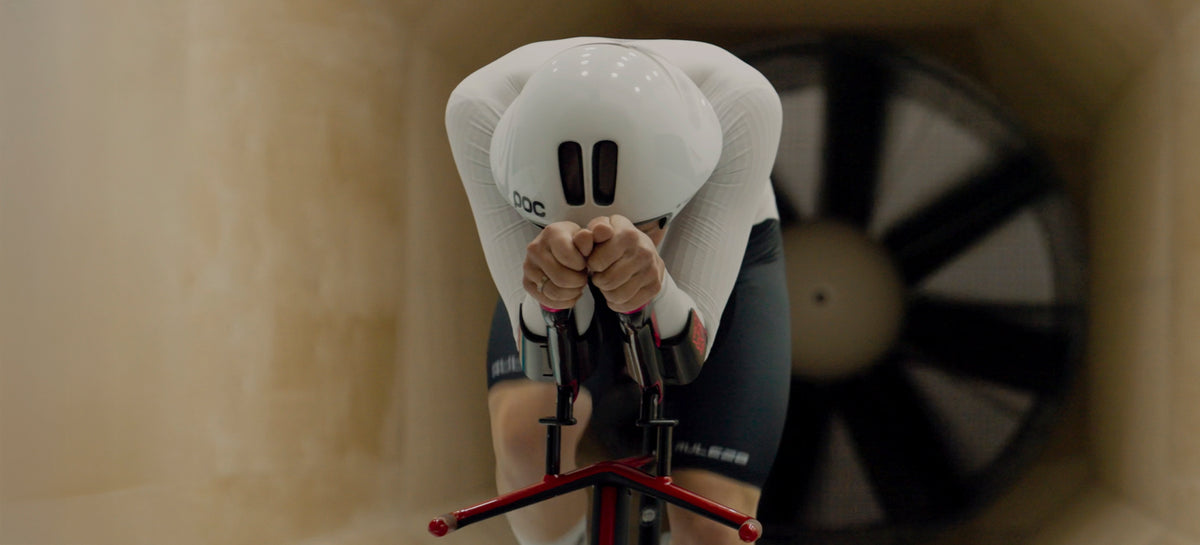
When every watt counts, the clothing you wear becomes as critical as the bike itself. Aerodynamic drag is the silent thief that robs cyclists of speed, and modern fabric technology offers a practical way to reclaim those lost watts. By understanding how fit, material, and design interact, riders can make informed choices that translate into measurable performance gains on the road.
Understanding Aerodynamic Drag
Drag is a force that opposes motion, and in cycling it is largely influenced by the rider’s frontal area and the smoothness of the surface moving through the air. Clothing can either amplify or reduce this resistance.
Key Factors
- Frontal Area: The larger the silhouette presented to the wind, the greater the drag.
- Surface Texture: Rough fabrics disturb airflow, creating turbulence.
- Fit: Loose garments flutter, increasing drag; a snug fit maintains laminar flow.
Fabric Technology That Makes a Difference
Advanced fibers and weave patterns are engineered to minimize air resistance while maintaining comfort.
Materials to Look For
- Polypropylene blends: Lightweight, low-absorbency fibers that slide through the air.
- Seam-sealed construction: Reduces stitching protrusions that disturb airflow.
- Micro-textured surfaces: Mimic the skin of fast-swimming sharks to keep air layers attached.
For a deeper dive into material science, Discover expert strategies here and see how these innovations are applied in high-performance apparel.
Fit and Silhouette: The Geometry of Speed
Even the most advanced fabric cannot compensate for a poorly fitting garment. The goal is a streamlined profile that follows the natural contours of the body.
Essential Fit Guidelines
- Choose jerseys with a tapered cut that hugs the torso without restricting breathing.
- Shorts should have a snug leg band to prevent bunching during pedaling.
- Consider compression tights that compress muscles and reduce fabric movement.
When selecting pieces, Learn about our tailored solutions that balance compression with freedom of movement.
Design Elements That Reduce Drag
Beyond fabric and fit, specific design features contribute to aerodynamic efficiency.
Features to Prioritize
- Integrated seams: Fewer seams mean fewer disruptions to airflow.
- Flatlock stitching: Provides a smooth surface compared to traditional stitching.
- Low-profile pockets: Eliminates bulges that increase frontal area.
- Ventilation panels: Strategically placed to maintain cooling without compromising shape.
To see practical examples of these design choices, Explore advanced guides and tips that illustrate how each element works in real-world conditions.
Maintaining Aerodynamic Performance Over Time
Even the best clothing can lose its aerodynamic properties if not cared for correctly.
Care Instructions
- Wash in cold water on a gentle cycle to preserve fiber integrity.
- Avoid fabric softeners; they can coat fibers and increase drag.
- Air-dry flat to prevent stretching that alters fit.
- Periodically inspect seams and replace garments showing wear.
Guidelines for proper maintenance are outlined in the brand’s resource hub, Find out more about this approach and keep your kit performing at its peak.
Putting It All Together: A Practical Checklist
Before your next ride, run through this quick audit to ensure your clothing is optimized for speed.
- Is the jersey tapered and free of excess fabric?
- Do the shorts stay in place without riding up?
- Are seams sealed and stitching flat?
- Is the fabric clean, free of detergent residue, and properly dried?
- Have you inspected for wear that could create turbulence?
By consistently applying these secrets, cyclists can shave seconds off each kilometer, turning everyday training into measurable progress. The combination of cutting-edge materials, precision fit, and thoughtful design creates a cohesive system that lets the rider focus on power output rather than battling wind resistance.
For those seeking a comprehensive library of aerodynamic insights, the brand’s website offers a wealth of articles, product breakdowns, and case studies. Embracing these principles not only enhances performance but also extends the lifespan of premium cycling apparel, delivering value long after the first ride.