
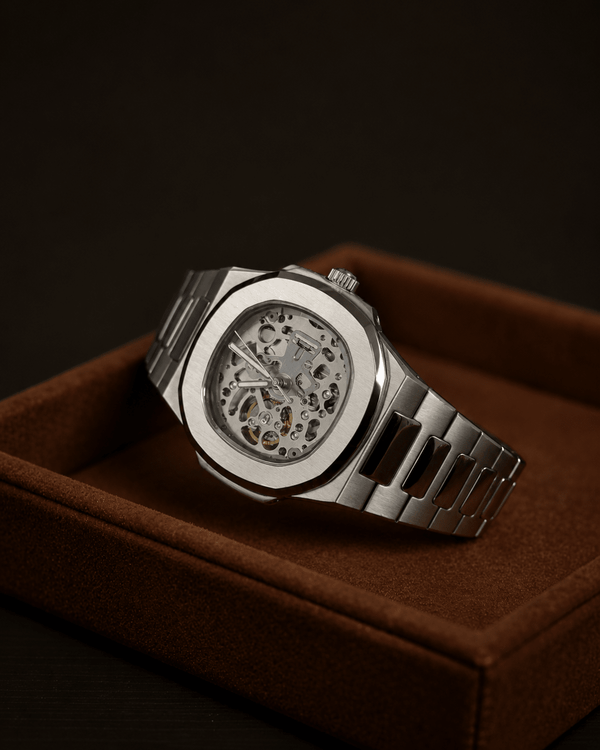
Luxury watches have long transcended the role of simple time-keeping devices, evolving into symbols of craftsmanship, heritage, and financial prudence. For collectors and investors alike, a well-chosen timepiece can appreciate in value while offering daily enjoyment. Understanding the dynamics of this market, historical performance, brand reputation, rarity, and condition, helps turn a passion for horology into a timeless investment.
Why Luxury Watches Hold Their Value
The resilience of high-end watches in the investment arena stems from several interrelated factors:
- Heritage and Brand Equity: Brands with a century-plus legacy, such as Patek Philippe, Audemars”?Piguet, and Rolex, command respect and demand, which translates into strong resale prices.
- Limited Production: Limited editions and pieces produced in small batches create scarcity, driving secondary-market premiums.
- Mechanical Excellence: In-house movements, hand-finishing, and innovative complications showcase technical mastery that collectors prize.
- Historical Significance: Models associated with notable events, personalities, or milestones often become coveted artifacts.
- Condition and Documentation: Original boxes, papers, and service records significantly boost a watch’s marketability.
For those seeking to deepen their understanding of market trends, Discover expert strategies here provides a curated collection of analyses and data-driven insights.
Key Considerations Before Purchasing
Assessing Authenticity and Provenance
Authenticity is the foundation of any valuable watch investment. Verify the following:
- Serial numbers that match manufacturer records.
- Original packaging, warranty cards, and service history.
- Professional authentication from reputable experts or auction houses.
Understanding Market Liquidity
Not every luxury watch sells quickly. Evaluate liquidity by reviewing recent auction results and dealer inventories. Brands with active secondary markets, such as Rolex’s Submariner or Omega’s Speedmaster, tend to offer more reliable exit strategies.
Evaluating Condition and Maintenance Costs
A watch in pristine condition commands higher resale value, but maintenance is inevitable. Anticipate periodic servicing, which can range from a few hundred to several thousand dollars depending on the complexity of the movement.
For practical guidance on maintaining value over time, Learn about our tailored solutions offers step-by-step recommendations.
Top Categories of Investment-Grade Watches
- Chronographs: Complicated, sporty pieces like the Rolex Daytona or TAG Heuer Monaco often appreciate due to their iconic status.
- Dress Watches: Classic models such as the Patek Philippe Calatrava or Jaeger-LeCoultre Reverso retain elegance and value.
- Limited Editions: Collaborations and anniversary editions, for example the Audemars”?Piguet Royal Oak “Jumbo” 1972 reissue, create scarcity-driven premiums.
- Vintage Pieces: Early 20th-century watches, especially those with original components, can experience significant appreciation.
To explore specific models and their performance histories, Explore advanced guides and tips offers detailed case studies.
Strategic Approaches to Building a Watch Portfolio
Investing in watches should be approached with the same discipline applied to traditional assets.
- Diversify Across Brands and Styles: Spread risk by acquiring pieces from multiple reputable manufacturers and varying complications.
- Focus on Core Models: Anchor your collection with universally recognized reference numbers that have proven track records.
- Monitor Market Cycles: Watch prices can be cyclical; buying during market dips can enhance long-term returns.
- Maintain Documentation: Keep all original paperwork and service records in a safe, organized manner.
For a deeper dive into portfolio construction, Find out more about this approach presents a framework tailored to horological assets.
Risks and Mitigation Strategies
While luxury watches can be rewarding, they are not immune to risk.
- Counterfeit Market: The prevalence of high-quality fakes necessitates rigorous authentication.
- Economic Fluctuations: Luxury goods are sensitive to macroeconomic shifts; maintaining liquidity helps navigate downturns.
- Changing Consumer Preferences: Trends can affect desirability; staying informed about emerging collector interests is essential.
Staying updated with industry news and expert commentary, available through resources like Discover expert strategies here, helps mitigate these challenges.
Conclusion
Luxury watches combine artistry, engineering, and scarcity, making them a compelling addition to a diversified investment strategy. By focusing on authenticity, market liquidity, and thoughtful portfolio construction, collectors can enjoy both the aesthetic pleasure of fine horology and the potential for financial appreciation. Continuous education and disciplined stewardship are the keys to turning a passion for timepieces into a truly timeless investment.