
Achieving peak performance in any sport demands more than talent and hard work; it also requires a strategic approach to nutrition. Modern athletes increasingly turn to scientifically backed supplements to fill nutritional gaps, speed recovery, and enhance training outcomes. While the market offers countless options, a select group of products consistently demonstrates measurable benefits for strength, endurance, and overall athletic health. This guide explores the most effective sports supplements, explains how they work, and offers practical advice on integrating them into a balanced regimen.
Why Supplements Matter for Athletes
Intense training places unique demands on the body, often exceeding what can be obtained from food alone. Supplements can:
- Replenish depleted micronutrients essential for muscle contraction and energy production.
- Support protein synthesis and muscle repair after strenuous sessions.
- Improve hydration and electrolyte balance during prolonged activity.
- Enhance cognitive focus and reduce perceived fatigue.
When chosen wisely, supplements complement a well-structured diet, allowing athletes to train harder, recover faster, and maintain optimal health.
Core Categories of Effective Supplements
1. Protein Powders and Amino Acids
Protein is the building block of muscle. Whey, casein, and plant-based isolates provide rapid or sustained amino acid delivery, depending on the timing of intake.
- Whey isolate: Ideal post-workout for quick muscle protein synthesis.
- Casein: Slow-digesting, perfect before sleep to sustain overnight recovery.
- Branched-Chain Amino Acids (BCAAs): May reduce muscle soreness when taken during or after training.
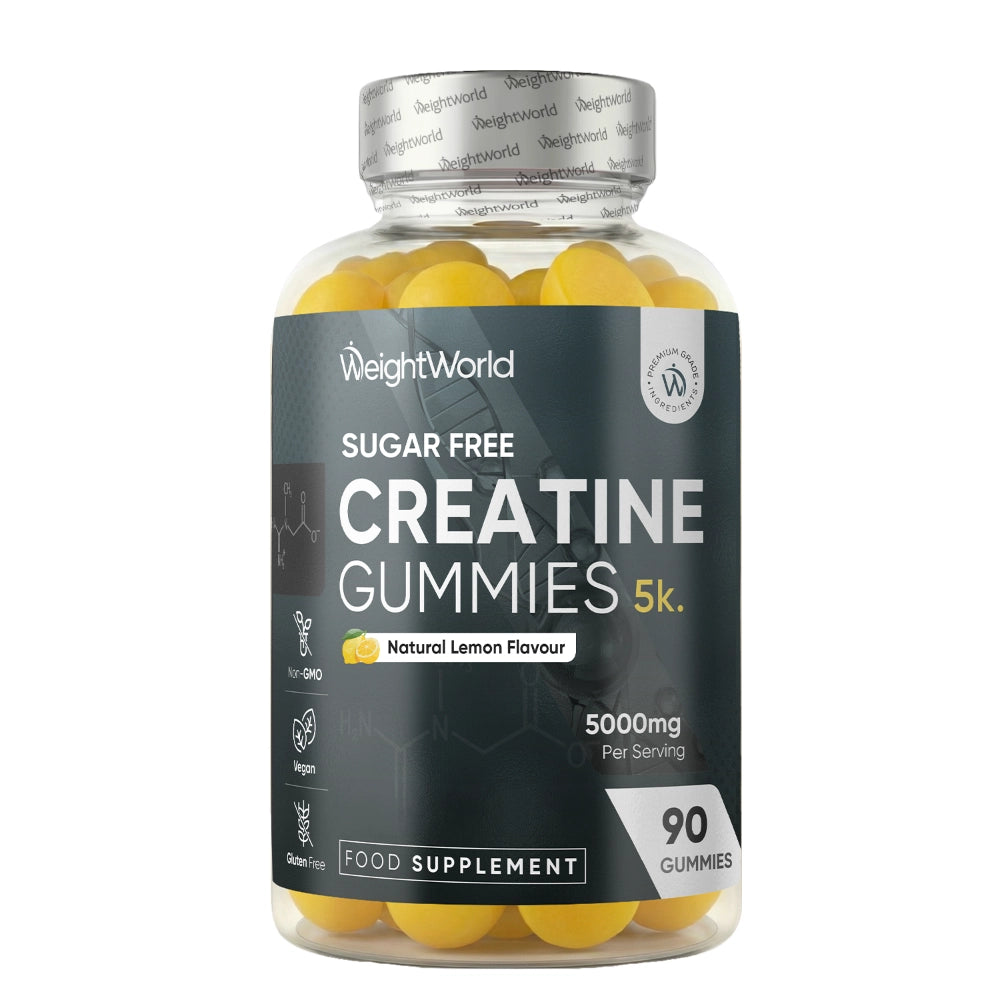
2. Creatine Monohydrate
Creatine remains one of the most researched and reliable ergogenic aids. It increases phosphocreatine stores in muscle cells, allowing for greater ATP regeneration during short, high-intensity efforts.
- Improves strength and power output by 5-15%.
- Supports lean muscle mass gains when combined with resistance training.
- Generally safe for most athletes when taken at 3-5″?g per day.
3. Beta-Alanine
Beta-alanine buffers hydrogen ions that accumulate during high-intensity exercise, delaying muscular fatigue.
- Effective for activities lasting 1-4 minutes (e.g., sprinting, rowing).
- Typical dosing: 2-5″?g per day, split into smaller portions to avoid tingling sensations.
4. Caffeine & Pre-Workout Formulas
Caffeine stimulates the central nervous system, enhancing alertness, reaction time, and perceived effort.
- Dosage of 3-6″?mg per kilogram of body weight is optimal for most athletes.
- When combined with nitrates or beta-alanine, performance gains can be synergistic.
5. Electrolyte and Hydration Solutions
Maintaining fluid balance is crucial for endurance events and high-heat training.
- Sodium, potassium, magnesium, and calcium help prevent cramping and support nerve function.
- Products with carbohydrate blends also replenish glycogen stores.
Choosing Quality sports supplements
Not all supplements are created equal. To ensure safety and efficacy, consider the following criteria:
- Third-party testing: Look for certifications from NSF, Informed-Sport, or USP.
- Transparent labeling: Ingredients and dosages should be clearly listed.
- Ingredient purity: Avoid proprietary blends that hide exact amounts.
- Reputable sourcing: Companies with a history of scientific research and compliance are preferable.
Integrating Supplements Into a Training Plan
Effective supplementation is about timing, dosage, and consistency. Below is a sample schedule for a typical strength-endurance athlete:
- Morning: 20″?g whey protein shake + 5″?g creatine.
- Pre-workout (30″?min): Caffeine (200″?mg) + beta-alanine (2″?g) + electrolytes.
- Post-workout: Whey isolate (25″?g) + 5″?g BCAAs.
- Evening: Casein protein (30″?g) + 3″?g creatine (if not taken earlier).
- Throughout the day: Hydration with electrolyte drink, especially in hot conditions.
Potential Side Effects and Safety Considerations
While most supplements are safe for healthy adults, individual responses can vary.
- Creatine: May cause mild gastrointestinal discomfort; stay well-hydrated.
- Beta-alanine: Can produce a harmless tingling sensation (paresthesia) at high doses.
- Caffeine: Excessive intake may lead to jitteriness, sleep disturbances, or increased heart rate.
- Always consult a sports nutritionist or medical professional before beginning a new supplement regimen, especially if you have pre-existing conditions or are subject to anti-doping regulations.
Conclusion
Optimizing athletic performance is a multifaceted endeavor that blends disciplined training, balanced nutrition, and targeted supplementation. By focusing on proven ingredients such as high-quality protein, creatine, beta-alanine, and appropriate electrolyte solutions, athletes can close nutritional gaps, accelerate recovery, and gain a measurable edge in competition. Selecting reputable sports supplements, adhering to evidence-based dosing protocols, and integrating them seamlessly into daily routines will support both short-term goals and long-term health.