
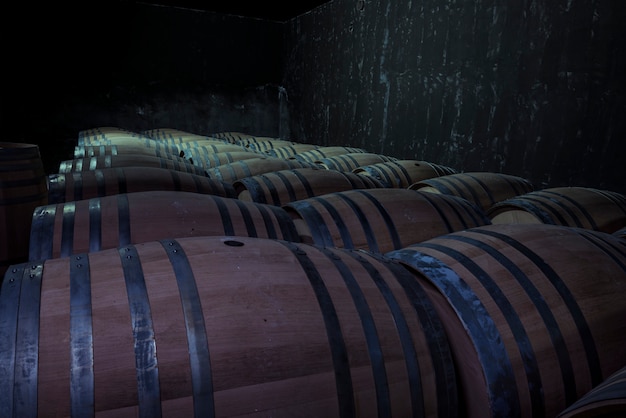
Investing in whiskey casks has emerged as a lucrative and appealing alternative investment strategy. With its unique blend of tradition, craftsmanship, and financial potential, whiskey cask investment offers investors a tangible asset that can appreciate significantly over time. The allure of this investment lies not only in its potential financial rewards but also in the rich history and cultural significance of whiskey itself. As the global demand for whiskey continues to grow, more investors are considering whiskey casks as a valuable addition to their portfolios.
Understanding Whiskey Cask Investment
Before diving into the world of whiskey cask investment, it is crucial to understand what it entails. This form of investment involves purchasing casks of whiskey, which are barrels used to age the spirit. Over time, these casks can increase in value as the whiskey matures, often resulting in impressive returns for investors.
Why Invest in Whiskey Casks?
Several factors make whiskey cask investment appealing:
- Appreciation in Value: As whiskey ages, it often increases in value, making cask investment a potentially profitable venture.
- Global Demand: The international market for whiskey is expanding, with increasing demand in countries like China and India.
- Tangible Asset: Unlike stocks or bonds, whiskey casks are physical assets, providing investors with a sense of ownership.
- Diversification: Whiskey casks can diversify an investment portfolio, reducing overall risk.
Steps to Begin Your Whiskey Cask Investment
Research and Education
Before making any investment, thorough research is essential:
- Learn about different types of whiskey and their aging processes.
- Understand the market dynamics and historical price trends.
- Explore guides on how to invest in whisky casks effectively.
Selecting the Right Casks
Choosing the right cask is crucial to the success of your investment:
- Consider the type of whiskey, such as Scotch or Bourbon, as different varieties have varying market demands.
- Evaluate the distillery’s reputation and the cask’s age, as these factors can significantly impact value.
- Seek expert advice or work with a broker to make informed decisions.
Understanding the Risks
No investment is without risk, and whiskey cask investment is no exception. Potential risks include:
- Market Fluctuations: Changes in consumer preferences or economic conditions can affect whiskey prices.
- Storage and Insurance Costs: Proper storage is essential to maintain the quality of the whiskey, and insurance can add to costs.
- Liquor Regulations: Different countries have varying regulations that can impact the sale and distribution of whiskey.
Exit Strategies
Having a clear exit strategy is vital to maximizing profits:
- Consider selling casks to private collectors or at auctions.
- Explore options to bottle the whiskey for sale under a private label.
- Stay informed about market trends to identify the best time to sell.
Conclusion
Whiskey cask investment offers a unique opportunity for investors seeking a blend of tradition and financial gain. By understanding the intricacies of whiskey cask investment, selecting the right casks, being aware of potential risks, and planning exit strategies, investors can position themselves to make the most of this promising market. As with any investment, due diligence and careful consideration are key to success in this fascinating arena of alternative investments.