
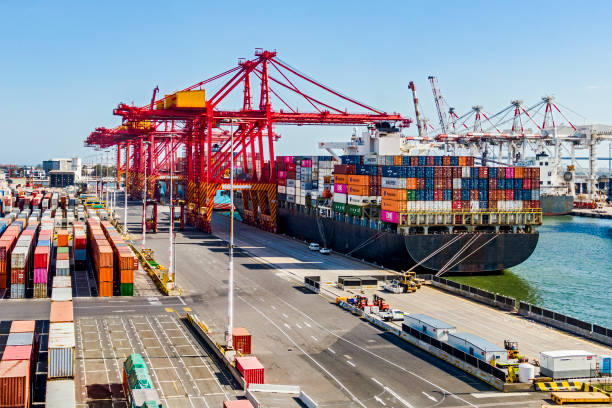
The commodities marketplace is a dynamic environment where B2B traders interact with a vast array of raw materials and primary agricultural products. These commodities are essential components of global trade, fueling industries and economies worldwide. Navigating this marketplace successfully requires strategic insights, a deep understanding of market trends, and an ability to anticipate shifts in supply and demand. For traders, understanding the nuances of pricing, market conditions, and contractual obligations is crucial. This guide aims to provide an overview of the key aspects B2B traders need to consider when engaging in the commodities marketplace.
Understanding Market Dynamics
Commodities markets are influenced by a multitude of factors, including geopolitical events, weather conditions, and economic indicators. Traders must keep abreast of these elements to make informed decisions.
Key Influencers
- Supply and Demand: Fluctuations in production levels and consumer demand significantly impact prices.
- Geopolitical Events: Political stability or instability can affect commodity transportation and availability.
- Economic Indicators: Inflation rates, currency fluctuations, and economic growth can influence commodity pricing.
For more in-depth exploration of these dynamics, read more about this topic.
Strategic Trading Practices
Effective trading strategies are essential for maintaining competitiveness in the commodities market. Traders should develop a robust approach to market entry and risk management.
Developing a Trading Plan
- Market Research: Conduct thorough analysis to identify trends and potential opportunities.
- Risk Management: Implement strategies to mitigate risks associated with price volatility.
- Contractual Agreements: Understand the terms and conditions of trading contracts to avoid disputes.
Learn more in this detailed guide on developing effective trading strategies by visiting this resource.
Leveraging Technology in Trading
Technology plays a pivotal role in enhancing the efficiency and effectiveness of commodity trading. From data analytics to digital trading platforms, technology offers numerous tools for traders.
Technological Tools
- Data Analytics: Utilize analytics tools to forecast market trends and make data-driven decisions.
- Trading Platforms: Employ advanced trading platforms for real-time market access and transaction processing.
- Blockchain Technology: Explore the use of blockchain for secure and transparent trading processes.
Explore further insights here on how technology is reshaping commodity trading.
Regulatory Considerations
Compliance with regulations is a critical aspect of trading in the commodities market. Traders must navigate complex legal frameworks to ensure their operations are legitimate and sustainable.
Regulatory Frameworks
- International Trade Laws: Familiarize with the laws governing cross-border commodity transactions.
- Environmental Regulations: Understand the impact of environmental policies on commodity production and trade.
- Financial Regulations: Stay informed about financial regulations affecting trading practices.
Find additional information here on the regulatory landscape affecting commodity trading by visiting this link.