
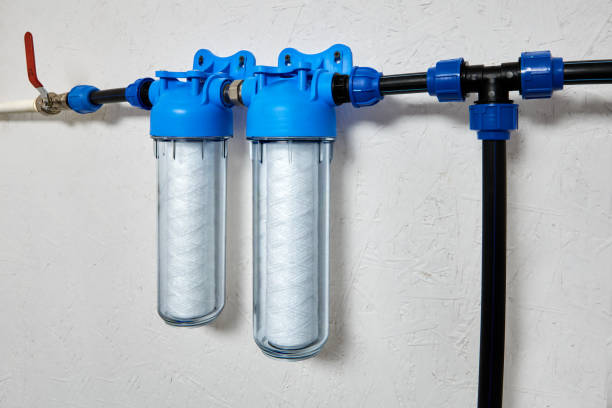
A water softener is an essential component for households that struggle with hard water, which can cause a myriad of issues from scaling on plumbing fixtures to decreased efficiency in household appliances. Proper installation of a water softener can ensure these problems are mitigated effectively. This article discusses the benefits of a well-installed water softener system and offers steps to achieve an efficient installation process.
Understanding the Need for Water Softening
Hard water contains high concentrations of minerals such as calcium and magnesium. These minerals can cause:
- Scaling on plumbing fixtures and appliances
- Reduced efficiency in heating systems
- Increased usage of soap and detergents
- Potential skin and hair issues for sensitive individuals
Installing a water softener can significantly reduce these issues, prolonging the life of appliances and improving the quality of water in the home.
Steps for Efficient Water Softener Installation
1. Choosing the Right System
An effective water softener installation starts with selecting the right system. Consider the following:
- Size of the household and water usage
- Type of water softener (salt-based, salt-free, or dual-tank systems)
- Integration with a home water filtration system for improved water quality
2. Preparing for Installation
Before installation, ensure that:
- The area chosen for installation is accessible and has adequate space
- All necessary tools and materials are on hand
- Plumbing connections are easily accessible
Preparing in advance can prevent delays and complications during the installation process.
3. Installation Process
The installation process involves:
- Turning off the water supply and draining the system
- Connecting the water softener to the main water line
- Integrating with a whole home water filtration system if desired
- Testing the system for leaks and proper operation
Professional water softener installation ensures functionality and longevity of the system.
Maintenance and Upkeep
Regular maintenance is crucial for the optimal performance of a water softener. Consider periodic:
- Checking of salt levels and adding salt as needed
- Inspection and cleaning of the brine tank
- Servicing by a water filtration service professional
Proper upkeep can extend the lifespan of the system and maintain the quality of water in the household.
Conclusion
Installing a water softener is a valuable investment for any home dealing with hard water issues. A well-planned and executed water filter installation can ensure efficient operation and water quality improvement. For homes seeking comprehensive solutions, integrating a water filter system for entire house may be beneficial. Regular maintenance and professional servicing will ensure the system continues to function optimally, providing soft, high-quality water for years to come.