
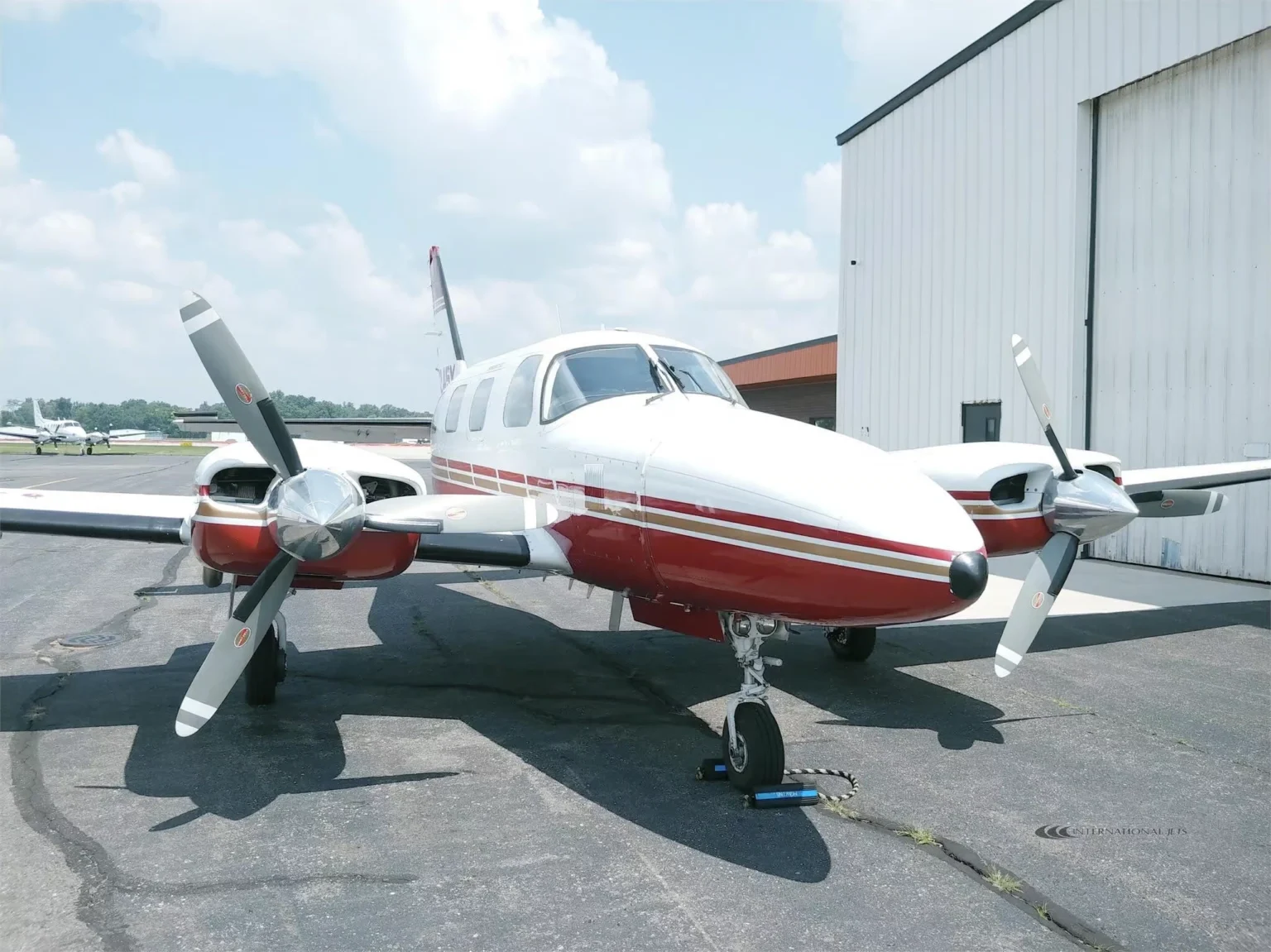
Philadelphia, a city known for its rich history and vibrant culture, is also a gateway to advanced aviation training opportunities. For aspiring pilots, mastering the art of flying multi-engine aircraft is a crucial step toward achieving career goals in the aviation industry. Multi-engine training provides pilots with the skills necessary to handle more complex aircraft, enhancing their career prospects and broadening their capabilities. This article explores the significance of multi-engine training in Philadelphia, the benefits it offers, and how it can elevate a pilot’s proficiency to new heights.
The Importance of Multi-Engine Training
Transitioning from single-engine to multi-engine aircraft represents a pivotal advancement in a pilot’s training. Multi-engine aircraft training is essential for several reasons:
- Increased Safety: Understanding the dynamics of operating an aircraft with more than one engine is crucial for ensuring safety in diverse flying conditions.
- Career Advancement: Many commercial airlines and aviation-related positions require pilots to have multi-engine ratings. This certification opens doors to a wider range of career opportunities.
- Skill Enhancement: Pilots gain advanced skills in areas such as engine-out procedures, weight and balance considerations, and more complex aircraft systems.
Read more about this topic to grasp the full scope of multi-engine training and its pivotal role in a pilot’s career.
What to Expect from Multi-Engine Training in Philadelphia
Philadelphia offers a unique environment for multi-engine training, combining urban accessibility with diverse flying conditions. Pilots can expect:
Comprehensive Curriculum
The training programs focus on equipping pilots with the knowledge and skills needed to safely and efficiently operate multi-engine aircraft. The curriculum typically includes:
- Theoretical knowledge, covering aircraft systems, aerodynamics, and emergency procedures.
- Practical flight training, emphasizing engine-out operations, system failures, and performance management.
- Scenario-based exercises to prepare pilots for real-world situations.
Explore further insights here to understand the components of a robust multi-engine training program.
Experienced Instructors
Quality training is heavily reliant on the expertise of instructors. In Philadelphia, training programs are staffed by experienced professionals who bring real-world insights and guidance to aspiring pilots. This mentorship is invaluable in developing the nuanced understanding required for multi-engine operations.
Learn more in this detailed guide about the qualifications and expertise of instructors involved in these programs.
Cutting-Edge Facilities
Philadelphia’s training facilities are equipped with modern technology and tools that simulate real-flight experiences, providing a conducive environment for learning. This includes:
- Advanced flight simulators that replicate the multi-engine aircraft experience.
- State-of-the-art classrooms for theoretical instruction.
- Access to a variety of multi-engine aircraft for hands-on training.
Find additional information here to discover the facilities available to enhance the learning experience.
Benefits of Multi-Engine Training in Philadelphia
Undertaking multi-engine training in Philadelphia offers numerous advantages:
- Strategic Location: Philadelphia’s location provides convenient access to various airspaces and flight conditions, from urban environments to open skies.
- Networking Opportunities: Being in a metropolitan area, pilots have opportunities to connect with industry professionals and fellow trainees.
- Diverse Weather Conditions: Training in an area with varied weather patterns prepares pilots for a range of flying scenarios.
Philadelphia’s unique blend of resources, expertise, and opportunities makes it an ideal location for multi-engine training. By immersing themselves in this environment, pilots can significantly enhance their skills and career prospects, reaching new heights in their aviation journey.